
CONTRIBUTORS
E V O L U T I O N A R Y T R A N S L A T I O N
Contributors, Giacomo Joyce and Invisible Cities
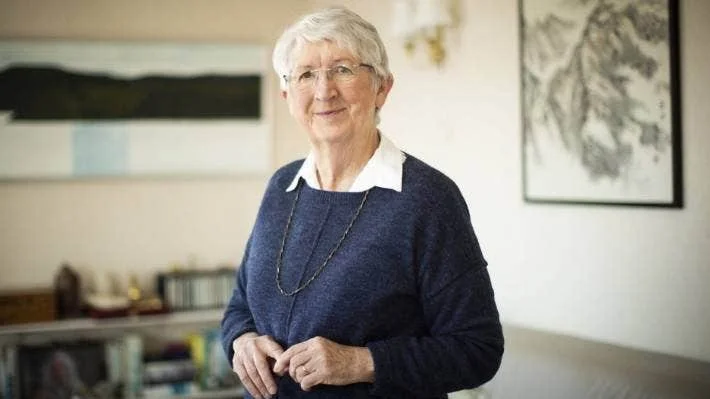
Dame Fiona Kidman
Dame Fiona Kidman is a New Zealand novelist, poet, scriptwriter and short story writer. She grew up in Northland, and began writing novels in the late 1970s, with her works often inspired by her involvement in the women's liberation movement. Over the course of her career, Kidman has written eleven novels, seven short-story collections, two volumes of her memoirs and six collections of poetry. Her works explore women's lives and issues of social justice, and often feature historical settings.
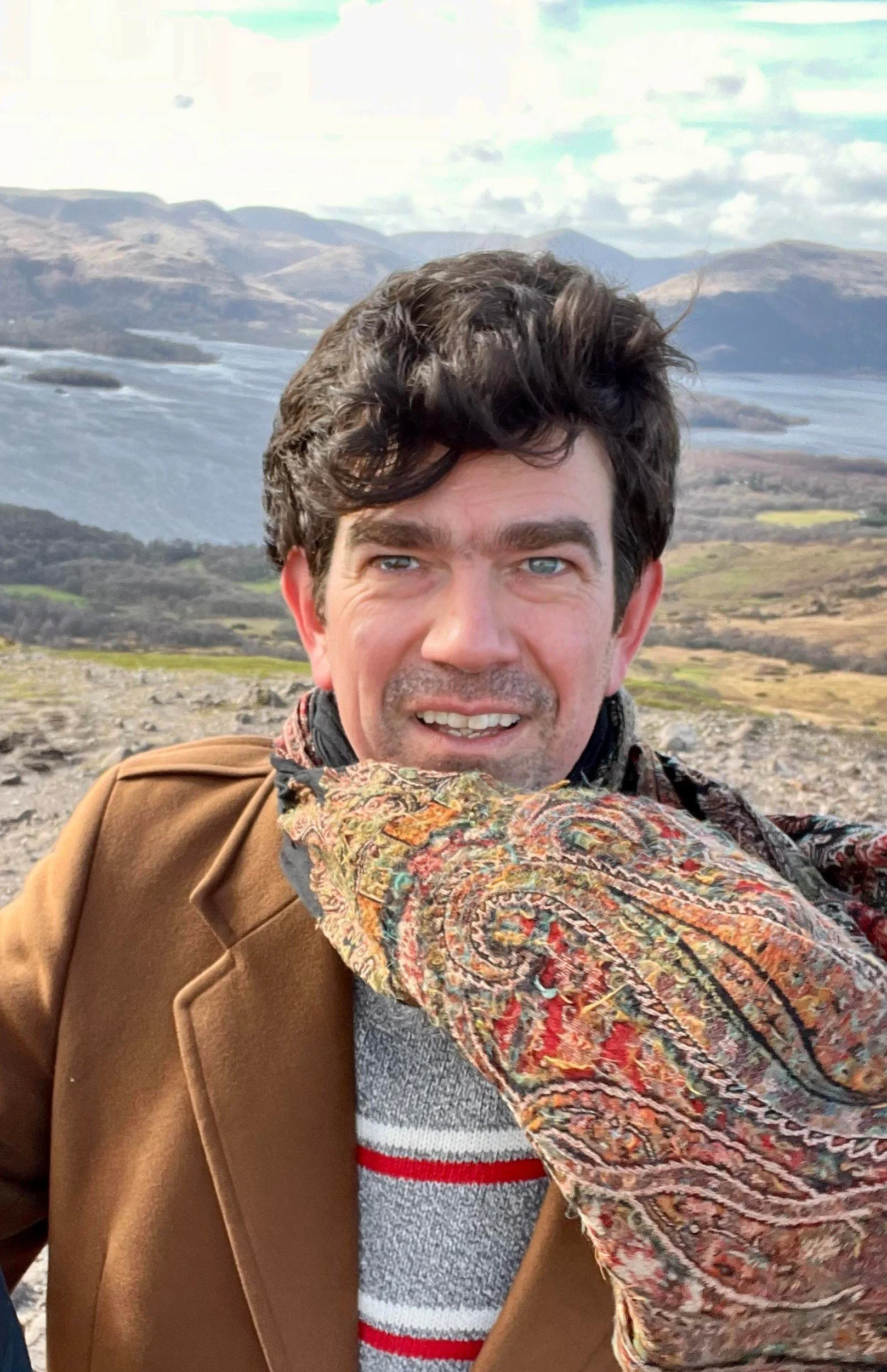
Julian Peters
Julian Peters is a comics artist and illustrator, who also teaches Italian Language and Culture at Vanier College in Montreal, Canada. In 2014, he obtained a master’s degree in Art History from Concordia University (Montreal) with a thesis focusing on two early, experimental graphic novels, Dino Buzzati’s Poema a fumetti (1969) and Martin Vaughn-James’s The Projector (1971). In 2015, he was Cartoonist in Residence at Wai-te-ata Press, Te Herenga Waka - Victoria University of Wellington, New Zealand. His debut collection of adaptations of classic English-language poems into comics, Poems to See By: A Comic Artist Interprets Great Poetry, was published in 2020 by Plough Books. He is currently working on a follow-up volume, as well as a comic-book adaptation of T. S. Eliot's The Waste Land.
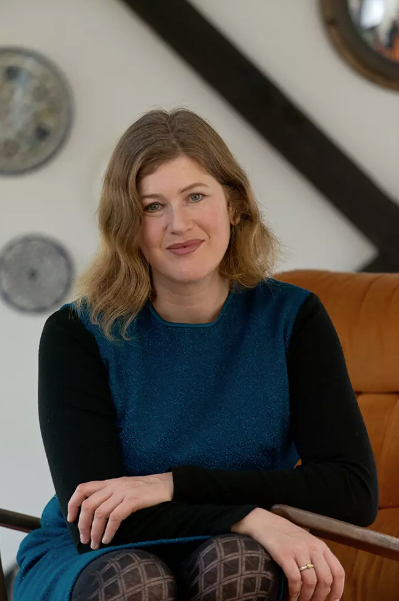
Sarah Laing
Sarah Laing is a fiction writer and graphic artist. She comes at books from all angles, writing as well as designing and illustrating them. The author of a graphic memoir, two novels, and a collection of short stories, she has also illustrated children’s books and designed and co-edited an anthology of Aotearoa/NZ women’s comics.
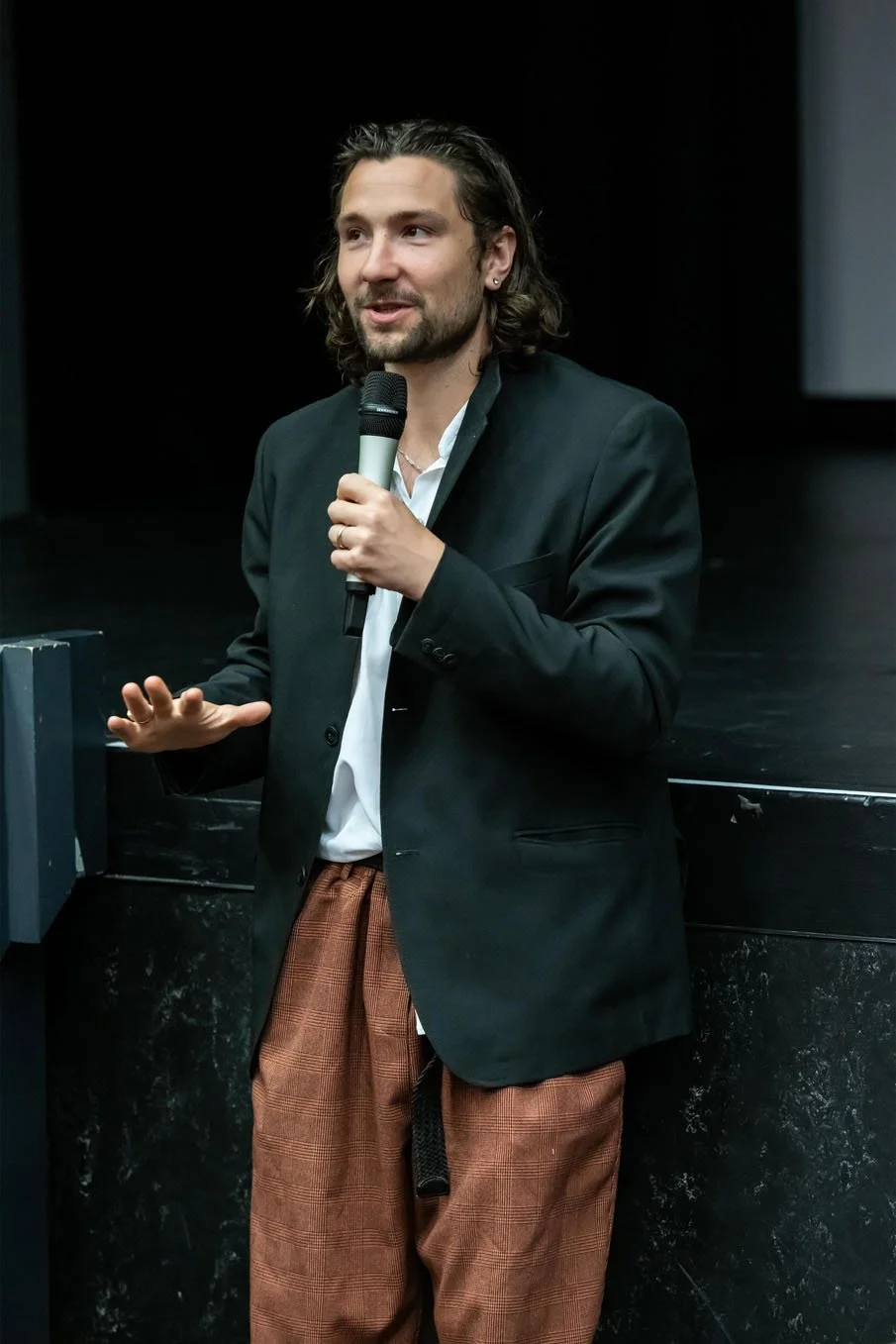
Tyler Shane Tesolin
Tyler Shane Tesolin was born in Windsor, Ontario, Canada. He completed both his Undergraduate degree and Master's degree in Cinema and Media Studies at York University in Toronto. Tesolin has been making movies his entire life, focusing primarily on the intersection between film poetry and documentary. His first feature film, Planet Sarajevo, was screened in the BH program of the Sarajevo Film Festival in 2020. Tesolin currently resides in Wellington, New Zealand with his wife, where he is completing a research creation PhD in Film at Victoria University in Wellington.
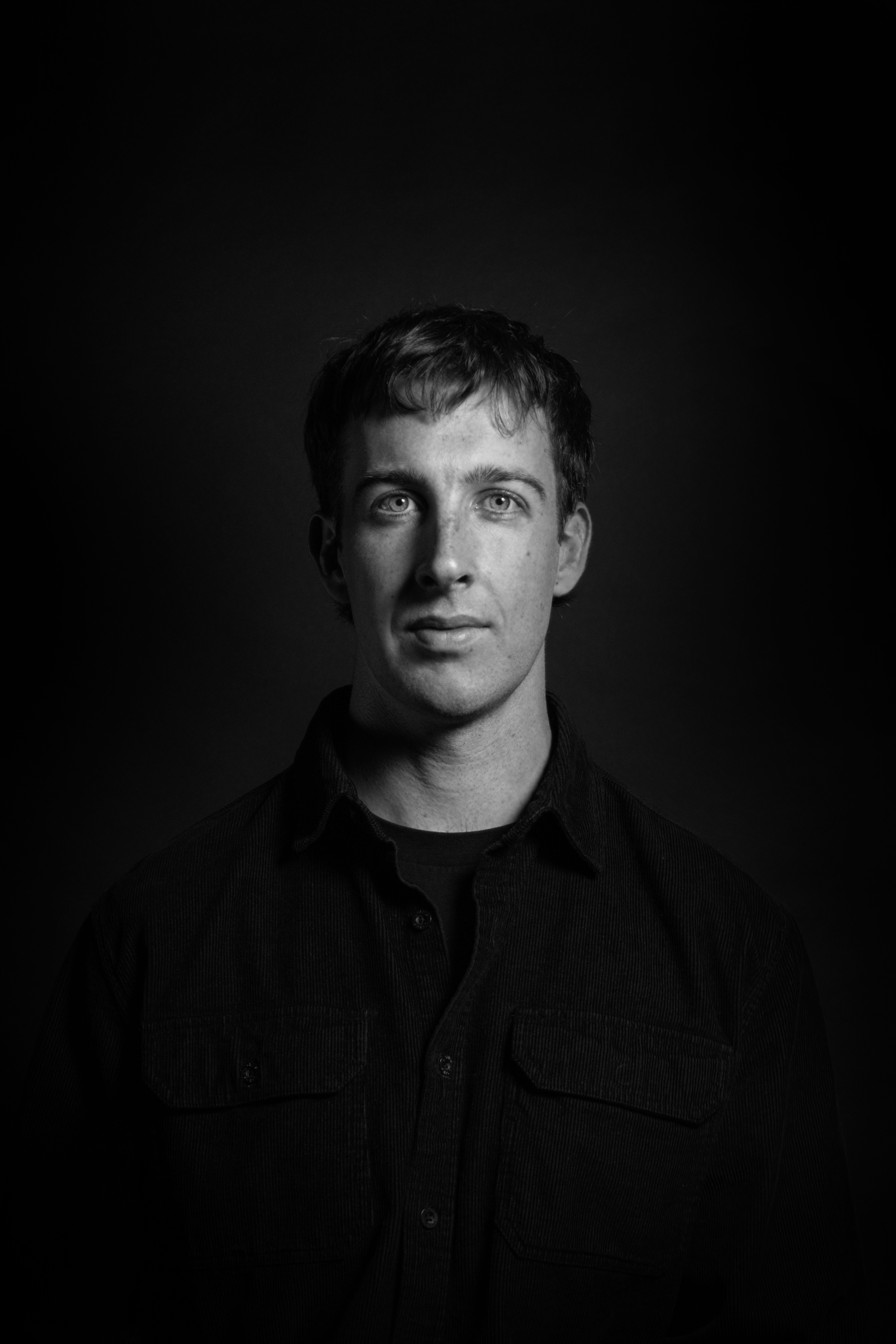
William du Toit
Beginning with formal education in architecture, William’s practice stems from a foundation of orthographic drawing and techniques. William’s work has been previously exhibited at The Sir John Soane Museum in London, as well as Te Pātaka Toi Adam Art Gallery and The New Zealand Academy of Fine Arts both in Wellington. Now based in historic Arrowtown, the contrast between the dramatic alpine landscape and gold mining artifacts is a constant source of inspiration. William’s focus has now turned to exploring these relationships through intagilo monoprinting.
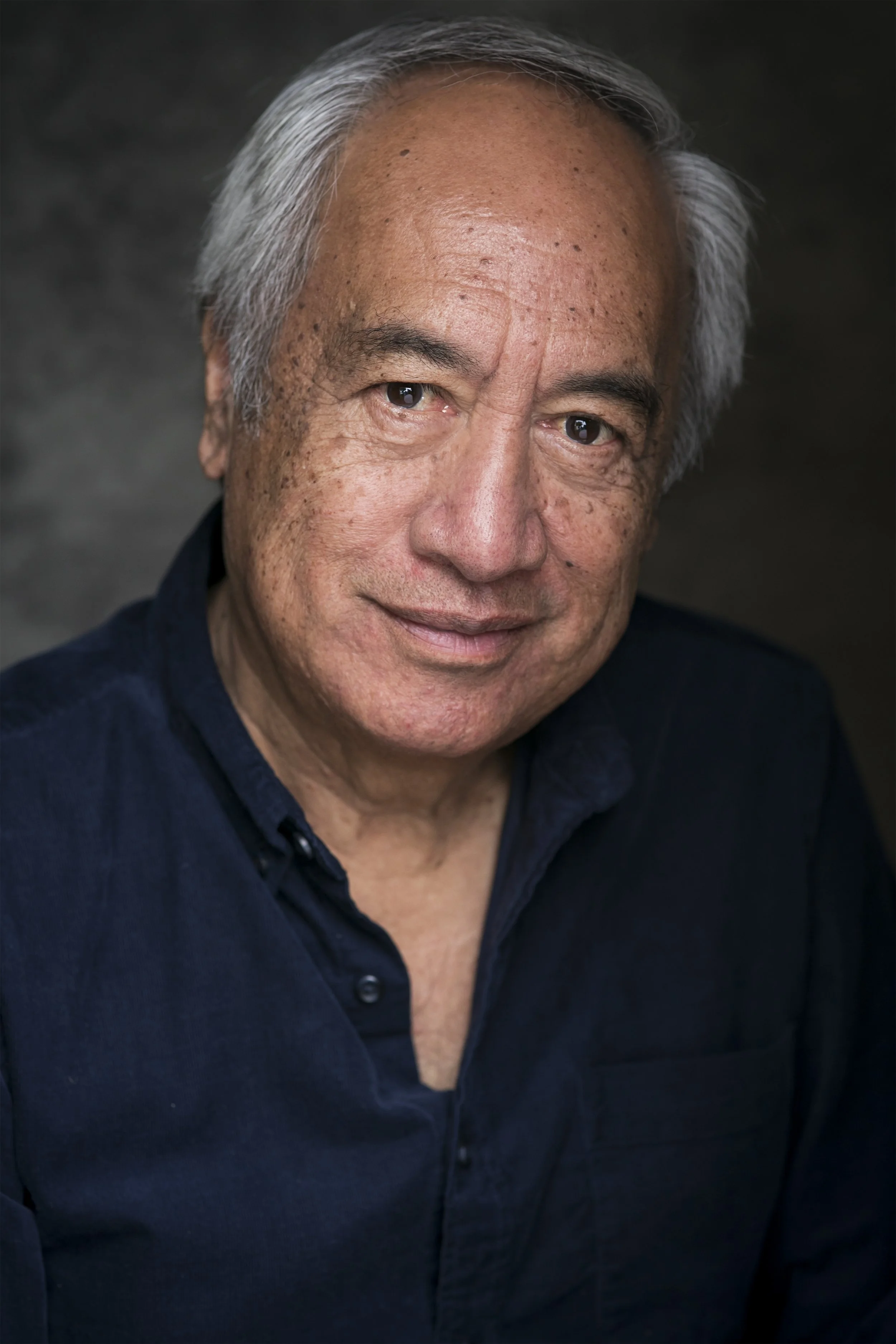
Witi Ihimaera
Witi Ihimaera is an international indigenous novelist of Māori descent (Te Whānau a Kai and Ngāti Porou). A hardworking and versatile writer, four of his books have been made into the films The Whale Rider, White Lies, Mahana and Kawa (Nights in the Gardens of Spain). He lives in Auckland.
E V O L U T I O N A R Y T R A N S L A T I O N
Student Research Profiles
Toaga Alefosiotoaga
My research project investigates the scholarly and creative aspects of literary translation with a focus on indigenous approaches to equivalence and specifically on Pasifika modalities of storytelling. As a case study, I will produce an annotated translation into Samoan of Selina Tusitala Marsh’s Unity, the textual and the graphic poem.
Mona Alshehri (Saudi Arabia)
My research project investigates the design of an English–Arabic literary translation course based on Mona Baker’s equivalence framework and Grant Wiggins’s backward course design. Drawing on Māori literary case studies, it aims to bridge the gap between translation education in Saudi Arabia and market expectations, while proposing pedagogical models that integrate the theoretical, ethical, and aesthetic dimensions of literary translation.
Sean Ashton-Peach (New Zealand)
My research investigates the technical vocabulary of Māori theatre with a view to creating a glossary for the use of practitioners. As an experienced theatre technician with Māori whakapapa, my glossary will combine existing knowledge and input from other professionals using a questionnaire to develop a template for future reference.
Isaac Bennett-Smith
My research investigates Andrew Wilson translation of the first Harry Potter book into ancient Greek (published 2004; revised 2014). As literature, Wilson’s translation is a remarkable and learned piece of work. As a translation, the text confronts the challenges of communicating modern ideas and institutions to an implied ancient audience.
Felicity Bishton (New Zealand)
My research investigates the experiential and pedagogical dimensions of videogame translation as multimodal intercultural communication. My research is in two phases: the gaming experience and the translators experience. Supported by translator interviews, I will be the pilot for both, as translators are the conduit between video games and multiple audiences.
Francesca Calligaro (Italy)
My research project investigates the role of the translator as ethical co-creator in translating Patricia Grace’s Waiariki (1975) from New Zealand English into Italian. Through practice- based translation and critical commentary, it examines how linguistic hybridity can be maintained to foreground language as a form of resistance.
Zheng Fang (China)
My research project investigates the linguistic and cultural aspects of multimodality through a practice-based translation into Chinese of Ant Sang’s kung-fu graphic novel Shaolin Burning that uses a bi-focal framework – Baker’s Eight Categories of Equivalence and Xu’s Three Beauties – and a semiotic note-taking method borrowed from interpreting. The centreline of my investigation is how multimodal, culturally hybrid comics can be rendered into Chinese with theoretical and methodological integration.
Sofia Paolinelli (Italy)
My research investigates evolutionary translation through an annotated translation into Italian of The Sore-Footed Man, J.K. Baxter’s re(Ki)w(i)riting of Sophocles’ Philoctetes. My translation draws from two first-hand cross-cultural experiences: literary, my translation into Italian of The Cure at Troy, Seamus Heaney’s version of Philoctetes; and linguistic, the maritime dialect of my hometown.
Sam Reichman (United States)
My research project investigates the effects of multimodal, multilingual group translation. I am working in partnership with diverse communities to create multilingual translations and illustrations of Badr Shākir al-Sayyāb’s acclaimed 1960 collection, Rain Song, and examining how this process influences conceptions of community, place, and national identity.
Tyler Shane Tesolin (Canada)
My research project investigates the potential of intersemiotic translation to both preserve and critique a source text. I creatively translated James Joyce’s Giacomo Joyce and a selection of Ezra Pound’s Cantos from written text to cinema, highlighting the cinematicity of the source texts while, at the same time, critiquing the gaze and the motives of the authors, two of the most prominent writers and evolutionary translators of our time.
Fengyuan Wang (China)
My research project investigates and compares David E. Pollard and Xu Yingcai’s translations of Chinese prose into English, with the aim of exploring their stylistic signatures, underlying factors and AI applications through a multi-level framework that integrates corpus-based translation studies, theory of translation and aesthetics and the manipulation theory.
Yuxiao Zhu (China)
My research project investigates existing and new (mine) Chinese translation of Seamus Heaney’s prose poetry under the integrated framework of the Three Beauties Theory and Reception Theory. My creative and critical research will contribute to addressing the research gap and introducing Seamus Heaney’s prose poetry to Chinese readers.
A I & T R A N S L A T I O N
Student Research Profiles
Echo Gao (China)
My research examines the ethical tensions emerging between existing translation practice and the growing integration of Artificial Intelligence (AI) in professional workflows. By analysing the Code of Ethics and Code of Conduct from the New Zealand Society of Translators and Interpreters (NZSTI), I investigate how current professional standards respond to AI-assisted translation and where further guidance may be needed. My work explores the shift from AI towards Intelligence Augmentation (IA), with a focus on strengthening ethical frameworks that support human agency and align professional codes with evolving industry practice.
Xuewei Mu (China)
My research project investigates Human–AI collaborative poetry translation through a role- based workflow. It translates previously unpublished poems by Seamus Heaney, develops a method for Human–AI co-creative translation, and highlights the irreplaceable role of human creativity.
Shuai Song (China)
My research project investigates a comparative study of AI and human translation in literary texts through examining The Analects of Confucius in Chinese-to-English translation, which aims to discuss their main differences and similarities regarding linguistic features, cultural connotations and literary aesthetics by multi-level comparative analysis, corpus-based and case study methods.
Lise Dannies Hope-Suveinakama (Atafu, Tokelau)
My research project examines the pivotal role of translation and interpreting in Tokelauan people’s access to justice, a right that small Indigenous communities struggle to access. It will develop a Tokelauan-English legal glossary using ethical methods to assist my key stakeholders, members of Tokelauan communities, translators, interpreters, lawyers, and academics.
Luoqi Yang (China)
My research project investigates translation of 20th century Chinese female poetry from a sociosemiotic perspective, using qualitative and quantitative analysis to examine four representative poets, establish equivalence criteria, and propose targeted translation strategies.
A I & C R I S I S C O M M U N I C A T I O N S